Kompletne rozwiązanie komunikacji FPV światłowodowego do sterowania ultra-długodystansowymi dronami
Wprowadzenie
Drony FPV (First-Person View) stały się niezbędnymi narzędziami w takich gałęziach przemysłu jak:
-
inspekcja przemysłowa
-
nadzór graniczny
-
monitoring infrastruktury
-
reagowanie w nagłych wypadkach
-
kinematografia powietrzna
-
operacje obronne i taktyczne
Większość dronów FPV przesyła sygnały wideo i sterowania za pomocą komunikacji radiowej (RF).
Jednakże systemy oparte na częstotliwości RF często mają znaczne ograniczenia, w tym:
Aby pokonać te wyzwania, pojawiło się nowe rozwiązanie:Systemy bezzałogowe podłączone do światłowodu.
Poprzez integrację modułów komunikacji światłowodowej, wzmocnionych kabli optycznych Kevlarem, pierścieni ślizgowych i silnikowych systemów zawijania światłowodowego, drony mogą osiągnąć ultra-długie odległości, bez zakłóceń,komunikacja w czasie rzeczywistym między statkiem powietrznym a naziemną stacją sterowania.
Technologia ta umożliwia stabilną transmisję wideo i bezpieczne połączenia sterowania na dziesiątki kilometrów, otwierając nowe możliwości dla profesjonalnych zastosowań dronów.

1Co to jest drona FPV z włókna optycznego?
Drony FPV z włóknem optycznym to bezzałogowe pojazdy powietrzne, które przekazują sygnały wideo i sterowania za pośrednictwem kabla światłowodowego zamiast polegać wyłącznie na bezprzewodowych sygnałach RF.
System łączy dron ze stacją naziemną za pomocą lekkiego kabla światłowodowego, tworząc bezpośrednie połączenie fizyczne.
W przeciwieństwie do komunikacji RF, światłowody przesyłają dane za pomocą sygnałów świetlnych, co oferuje kilka kluczowych zalet:
- Zero interferencji elektromagnetycznych (EMI)
- Bardzo stabilna transmisja sygnału
- Możliwość komunikacji na duże odległości
- Wysoka bezpieczeństwo i odporność na zakłócenia
- Opinia wideo w czasie rzeczywistym o niskim opóźnieniu
Dzięki nowoczesnym modułom optycznym drony mogą osiągać stabilne odległości komunikacji do 80 km, znacznie przekraczając granice tradycyjnych systemów FPV RF.
2Jakie elementy składają się na drony z włókna optycznego?
Kompletny system drona podłączonego do włókna optycznego zazwyczaj obejmuje kilka kluczowych komponentów, które współpracują, aby zapewnić stabilną komunikację w locie.
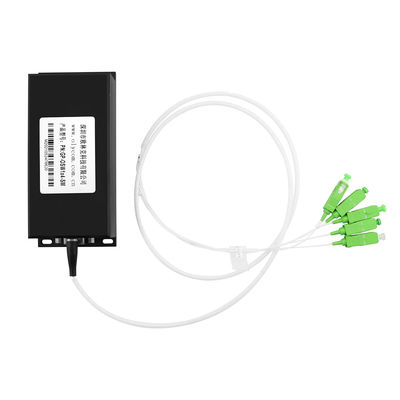
2.1 Moduł światłowodowy Sky-End (strona drona)
Moduł optyczny Sky-End jest zainstalowany bezpośrednio na dronie.
Łączy się z wewnętrzną elektroniką drona i przekształca sygnały elektryczne w sygnały optyczne.
Typowe połączenia obejmują:
Port AV → Analogiczny wyjście wideo kamery FPV
RX / TX → Komunikacja z kontrolerem lotu (CRSF / TTL)
VCC / GND → Zasilanie drona
Moduł konwertuje:
sygnały wideo FPV
dane z kontroli lotu
do sygnałów optycznych przesyłanych przez kabel światłowodowy.
Kompaktowe moduły optyczne zazwyczaj posiadają:
wielkość około 50 × 29 × 13 mm
zużycie energii < 5 W
wejście szerokiego napięcia (kompatybilne z akumulatorem 2S6S)
Zapewnia to minimalny wpływ na masę i czas lotu drona.
2.2 Kabel wzmocniony włóknami optycznymi z kevlara
Dron jest podłączony do systemu naziemnego za pomocą wzmocnionego Kevlarem jednomodowego kabla optycznego.
Główne cechy obejmują:
- Wzmocnienie nici Kevlar dla wysokiej wytrzymałości na rozciąganie
- konstrukcja lekka, nadająca się do lotu bezzałogowego statku powietrznego
- Włókno optyczne jednowarunkowe (G657A2)
- średnica kabla około 1,2 mm
Struktura Kevlara chroni włókno przy zachowaniu elastyczności i trwałości podczas ruchu drona.
2.3 Pierścień ślizgowy z włókna optycznego (złącze obrotowe)
Ponieważ kabel drona nieustannie się rozwija i odwija podczas pracy, w systemie wykorzystuje się pierścień ślizgowy z światłowodu.
Pierścień ślizgowy pozwala:
- 360° ciągłego obrotu
- nieprzerwana transmisja sygnału optycznego
- zapobieganie skręcaniu lub uszkodzeniu włókien
Komponent ten zapewnia, że kabel światłowodowy może swobodnie obracać się przy jednoczesnym utrzymaniu stabilnego połączenia komunikacyjnego.
2.4 Silnikowy układ obwijania włókien
Wykorzystuje się silnikowy system owijania włókna, który zarządza rozmieszczeniem i odbijaniem kabla włóknistego.
System ten obejmuje zazwyczaj:
- silnik napędowy o dużym momentu obrotowym
- układ regulacji napięcia
- Automatyczny mechanizm zawijania i rozwijania
Kontrolowanie napięcia zapobiega nadmiernemu naciskowi na kabel podczas ruchu drona.
Dzięki temu włókno pozostaje stabilne i chronione przez cały lot.
2.5 Fibrooptyczna beczka / rolka
Kabel światłowodowy jest przechowywany na beczce lub rolce światłowodowej.
Komponent ten umożliwia:
- kompaktowe przechowywanie kabli
- płynne rozmieszczenie włókien
- pojemność kabli dalekobieżnych
W zależności od konfiguracji system może obsługiwać długości światła o długości do 40 km lub więcej.
2.6 Moduł światłowodowy typu ground-end
Po stronie naziemnej moduł optyczny konwersuje sygnały optyczne z powrotem na sygnały elektryczne.
Zazwyczaj zapewnia:
Wyjście AV → dla monitorów lub systemów DVR
Komunikacja RX/TX → podłączona do odbiornika pilota
Moduł ten zapewnia operatorom otrzymywanie w czasie rzeczywistym danych wideo i sterowania z drona.
2.7 Stacja sterowania naziemnego
Ostatnim elementem jest naziemna stacja sterowania, gdzie operator monitoruje i kontroluje dron.
Stacja naziemna obejmuje zazwyczaj:
- wyświetlacz
- sterownik zdalny drona
- system przyjmowania i przetwarzania danych
Tutaj sygnał optyczny jest przekształcany z powrotem w sygnały wideo i sterowania, co pozwala operatorom zobaczyć dokładnie to, co widzi dron w czasie rzeczywistym.
3Jakie są zalety łączności dronowej z wykorzystaniem światłowodu?
3.1 Ultradługie odległość transmisji
Komunikacja światłowodowa umożliwia nadzwyczaj długie odległości sterowania, znacznie wykraczające poza systemy oparte na częstotliwości RF.
Typowe zakresy obejmują:
20 km
40 km
60 km
możliwość przesyłania do 80 km
3.2 Zero interferencji elektromagnetycznych
W przeciwieństwie do bezprzewodowych systemów, włókna optyczne są całkowicie odporne na:
- interferencje RF
- hałas elektromagnetyczny
- zatłoczenie sygnału
To sprawia, że drony z włókna optycznego są idealne do takich środowisk jak:
- elektrownie
- strefy przemysłowe
- obszary wojskowe
3.3 Wysoka bezpieczeństwo i zdolność przeciwzaburzeń
Ponieważ komunikacja odbywa się za pośrednictwem fizycznego połączenia światłowodowego, a nie transmisji fal radiowych, drony optyczne oferują:
- silne działanie przeciwzablokowania
- niskie prawdopodobieństwo przechwytywania
- bardzo bezpieczne przesyłanie danych
3.4 Stabilna transmisja wideo w czasie rzeczywistym
Komunikacja światłowodowa zapewnia:
- niezwykle niskie opóźnienie
- stabilna analogowa transmisja wideo
- jakość sygnału bez strat na duże odległości
Jest to niezbędne dla precyzyjnych operacji dronów i nawigacji FPV.
3.5 Łatwa integracja z istniejącymi systemami FPV
Nowoczesne moduły UAV z włóknem optycznym obsługują wspólne interfejsy dronów, takie jak:
- Protokół krzyżowego ognia CRSF
- Komunikacja seryjna TTL
- analogowy wyjście wideo FPV
Dzięki temu integracja z istniejącymi dronami jest prosta.
4W jakich zastosowaniach wykorzystywane są drony FPV z włókna optycznego?
Systemy dronów z włókna optycznego są szeroko stosowane w scenariuszach profesjonalnych i krytycznych dla misji.
4.1 Nadzór graniczny
Monitorowanie długich odcinków granicy lub wybrzeża wymaga niezawodnej komunikacji na duże odległości bez zakłóceń radiowych.
Drony oparte na włóknach zapewniają stabilny nadzór w czasie rzeczywistym na ogromnych obszarach.
4.2 Kontrola infrastruktury
Drony z włókna optycznego są idealne do kontroli:
- linie przesyłowe energii
- rurociągi naftowe i gazowe
- koleje
- wieże komunikacyjne
Środowiska te często zawierają silne zakłócenia elektromagnetyczne, w których komunikacja RF jest niewiarygodna.
4.3 Monitorowanie i planowanie środowiska
Badania geologiczne i monitorowanie środowiska wymagają stabilnej transmisji danych dalekiego zasięgu, którą mogą zapewnić systemy światłowodowe.
4.4 Reagowanie w sytuacjach awaryjnych i zarządzanie klęskami żywiołowymi
W sytuacjach awaryjnych drony z włókna optycznego umożliwiają:
- bezpieczna komunikacja
- nieprzerwane transmisje wideo
- niezawodne sterowanie w złożonych środowiskach.
4.5 Misje obronne i taktyczne
Do zastosowań wojskowych i ścigania drony z włókna optycznego oferują:
- Komunikacja antyzablokowana
- niska wykrywalność sygnału
- niezawodną obsługę na duże odległości.
5Dlaczego systemy dronów podłączonych do włókna optycznego są przyszłością?
Systemy łączności bezzałogowych z włókna optycznego stanowią główną ewolucję technologii dronów.
Łącząc:
- Moduły transmisji światłowodowej
- Pozostałe, z tworzyw sztucznych, z tworzyw sztucznych
- Złącza obrotowe z pierścieniem ślizgowym
- silnikowe systemy uzwojenia
- stacje kontroli naziemnej
systemy te zapewniają kompletną, niezawodną infrastrukturę komunikacyjną dla operacji bezzałogowych statków powietrznych.
W porównaniu z tradycyjnymi dronami radiowymi systemy światłowodowe zapewniają:
- dłuższe odległości komunikacyjne
- wyższa stabilność transmisji
- poprawa bezpieczeństwa
- odporność na zakłócenia i zakłócenia
W miarę jak przemysł coraz częściej wymaga stabilnej, bezpiecznej komunikacji bezzałogowej na duże odległości, światłowodowe systemy FPV stają się kluczową technologią dla operacji bezzałogowych nowej generacji.


 Twoja wiadomość musi mieć od 20 do 3000 znaków!